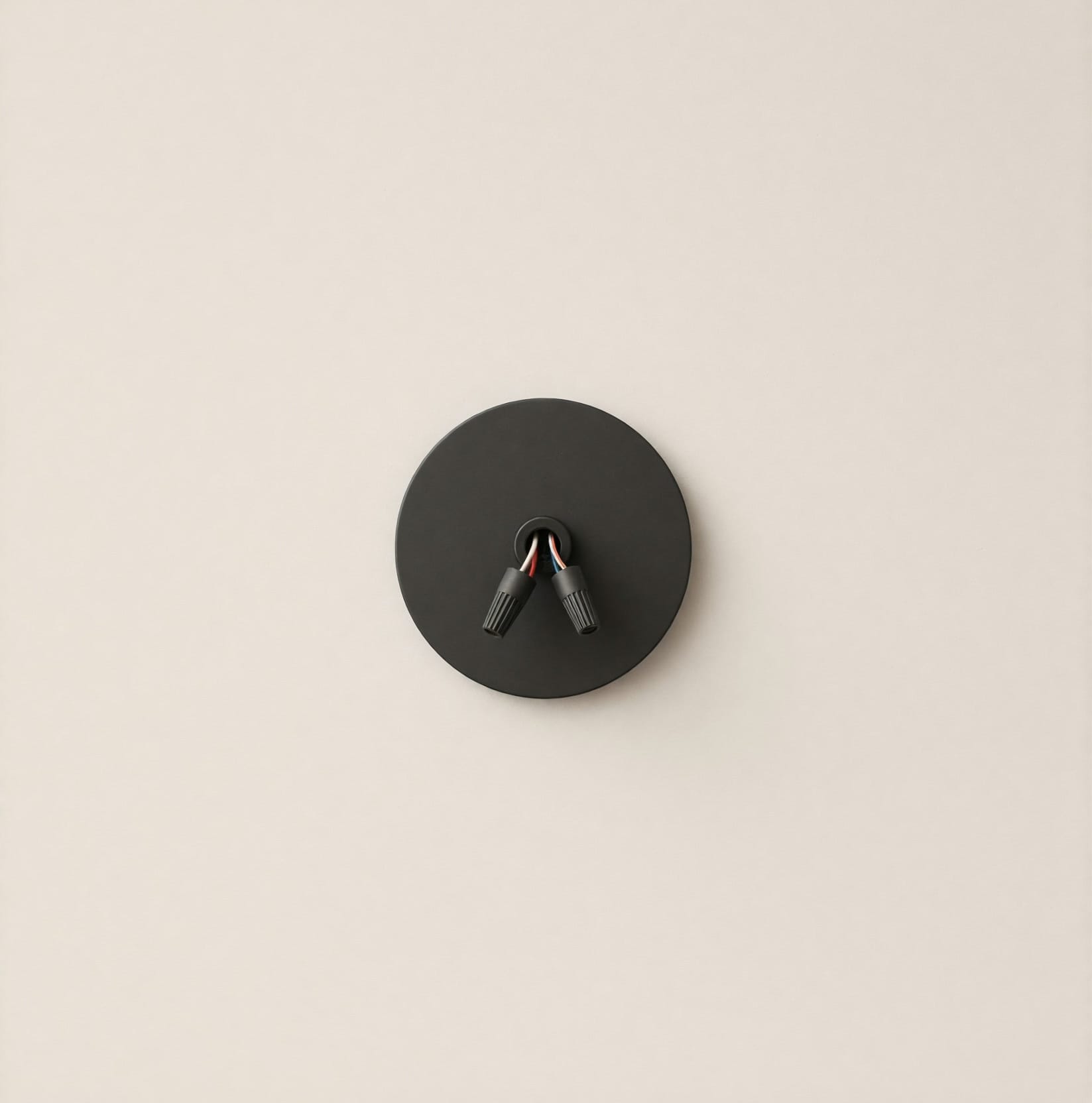
Light tells us what time of day it is. Daylight is blue-white and fades toward orange as the sun drops. Its brightness and tone affect the production of melatonin, the hormone that controls our sleep cycle. Standard home lighting products ignore all of that, which is why 10pm feels like eternal noon and you don’t feel sleepy.
Featured in
Six publications that write about objects, and have written about these ones.

The Vellum Review

Lantern & Loom

The Evening Papers

Rushlight

Groundplan

Underlight

The Ember Review

Anteroom

Object & Interval

softpress

Nightfall Studies

Casement Quarterly

slow study

The Hearth Papers

The Long Evening

Fallow Journal

Cadence

Cornice Press

The Daylight Almanac

Northwork
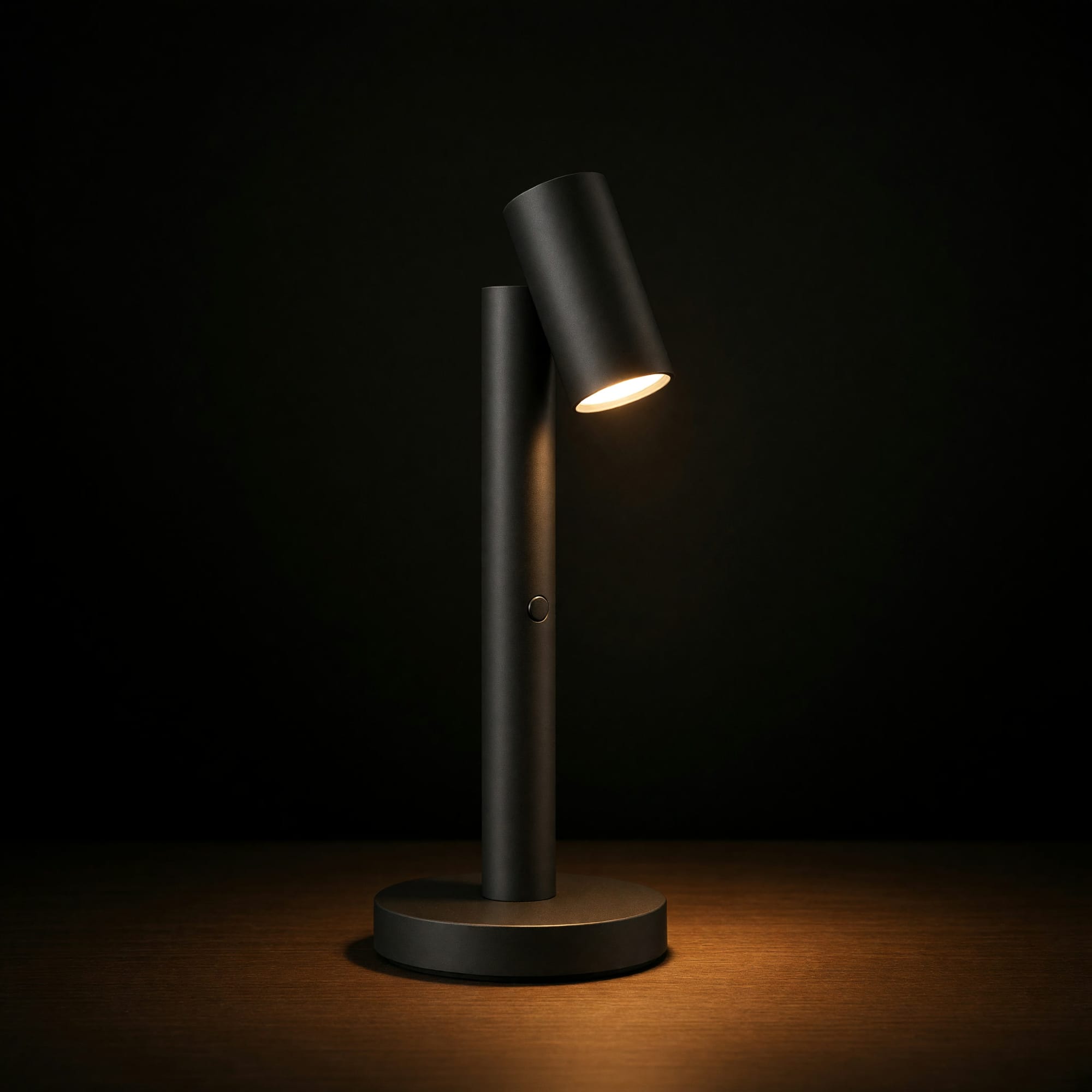
Dimpsy One
Discover more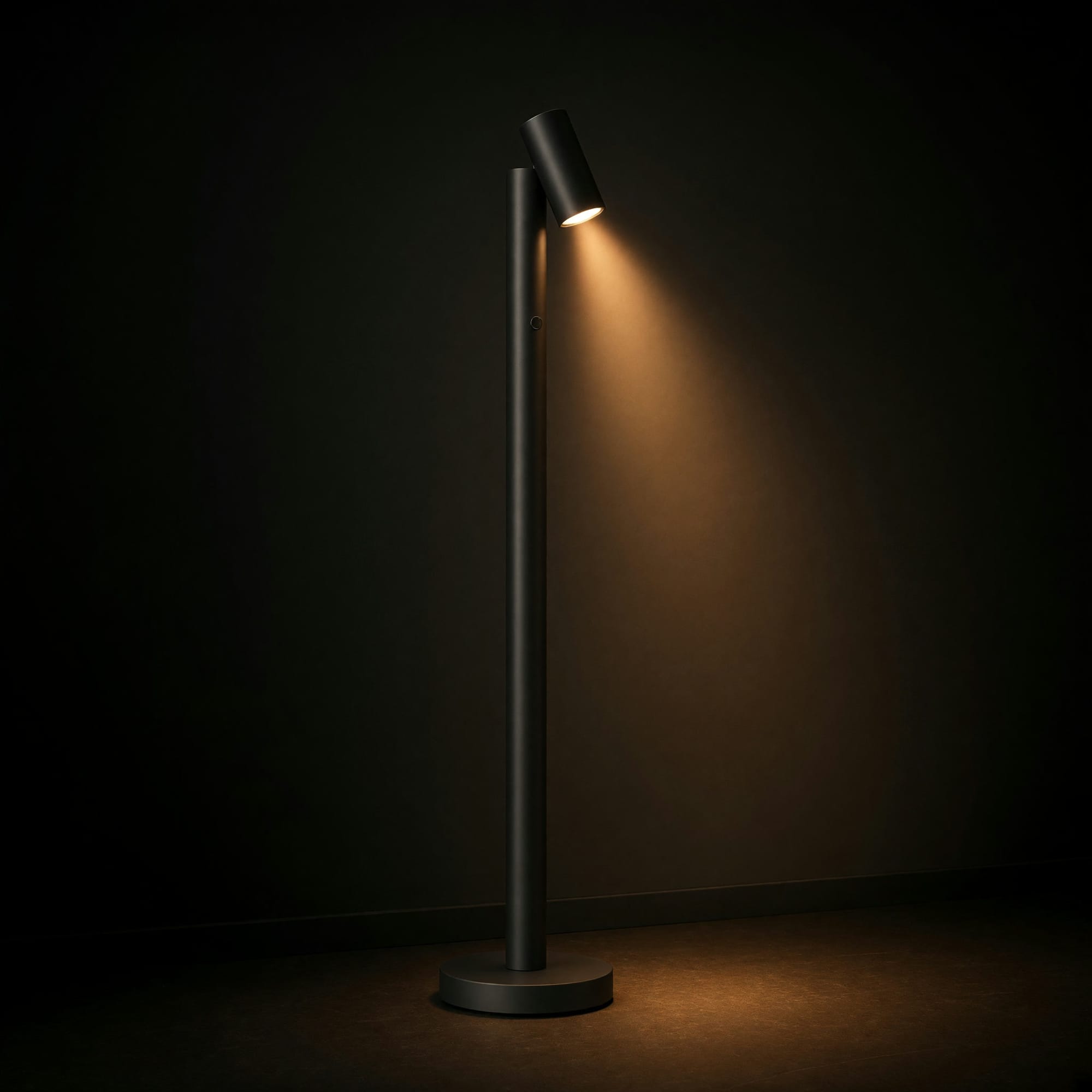
Dimpsy Tall
The floor lamp. The same head and the same curve at standing height, so it lights the person in the chair rather than the ceiling above them.
Discover more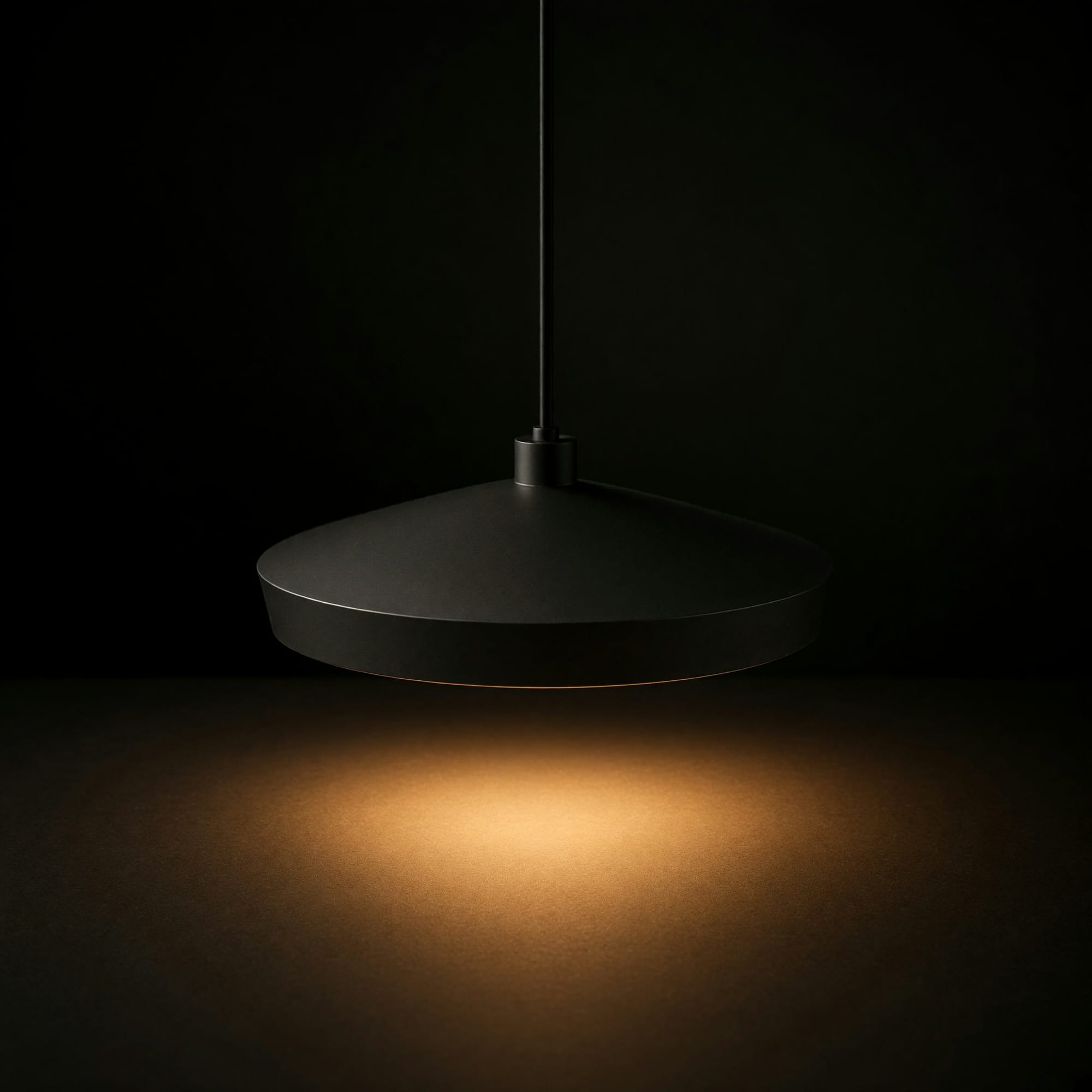
Dimpsy Halo
The pendant, from a company whose manifesto is against ceiling lights. There is an explanation, it took six years, and it is on its own page.
Read the noteHow it actually works
Three pieces of engineering, none of them new. Stage lighting has done all of this for a century; nobody had bothered to put it in a lamp for a house.
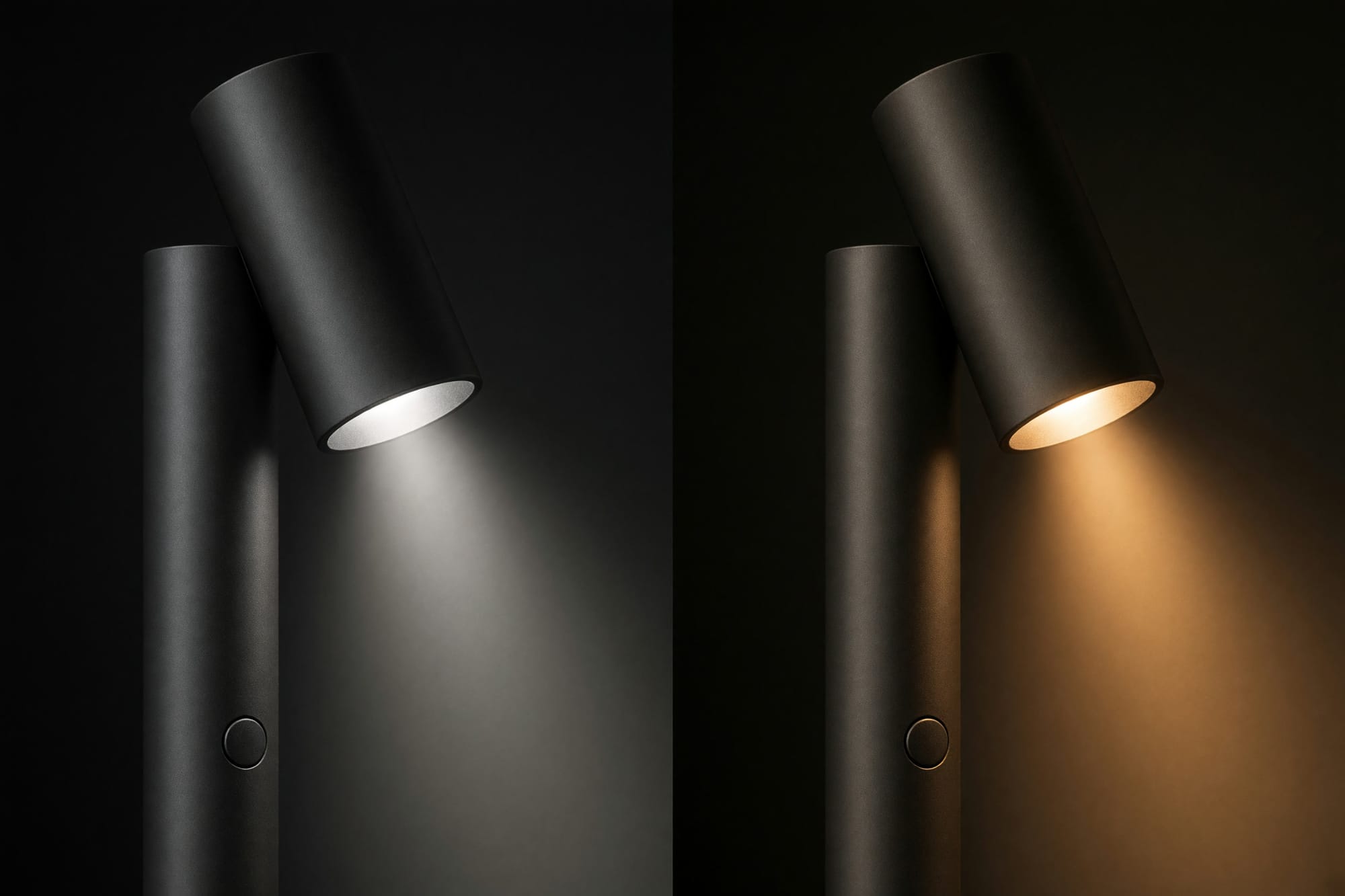
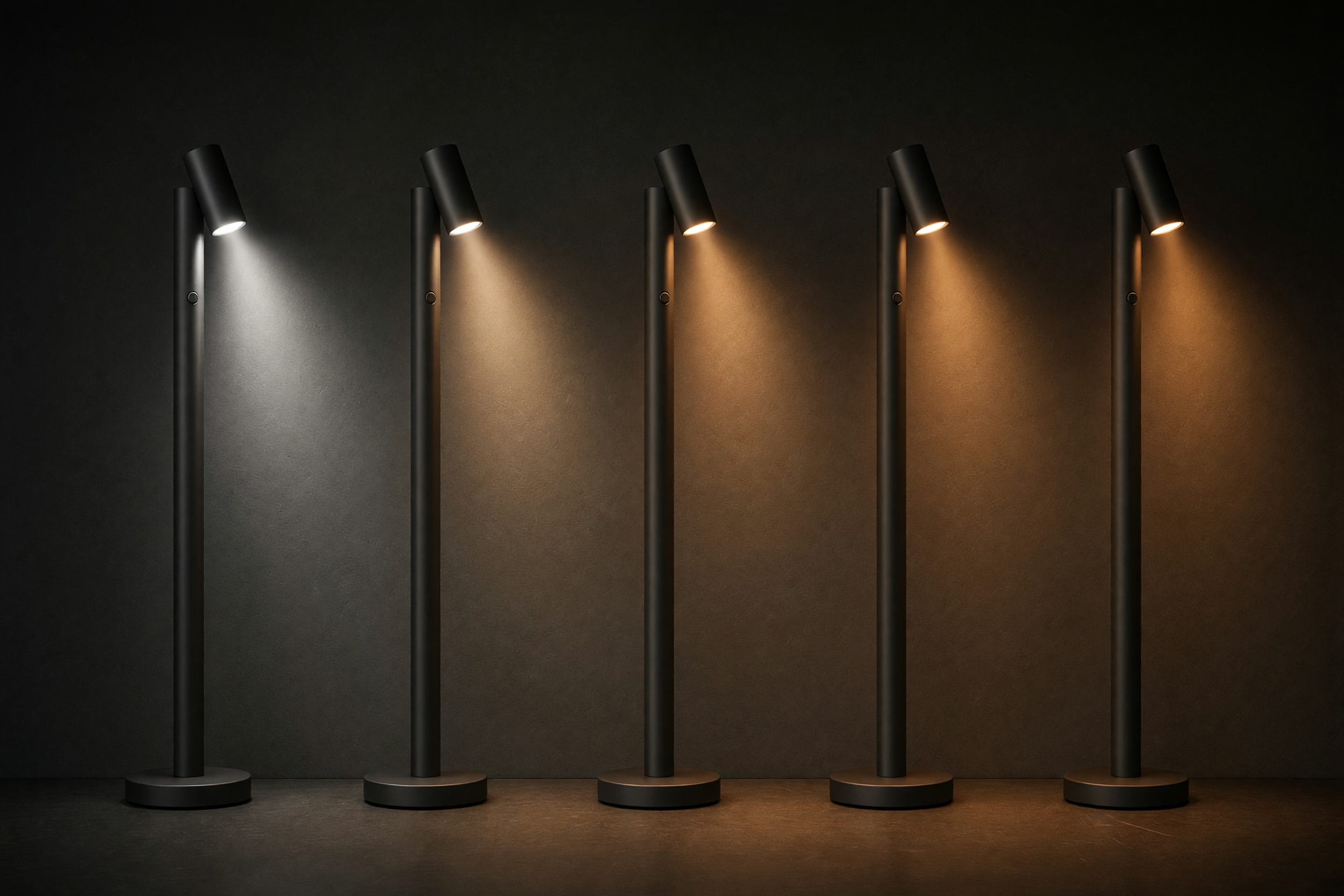
Output and colour fall together
Full is 3,000 Kelvin. The bottom of the range is 1,800, roughly candlelight. The curve is not a straight line — it warms slowly through the top, where you are still working, and quickly through the bottom, where you are not.
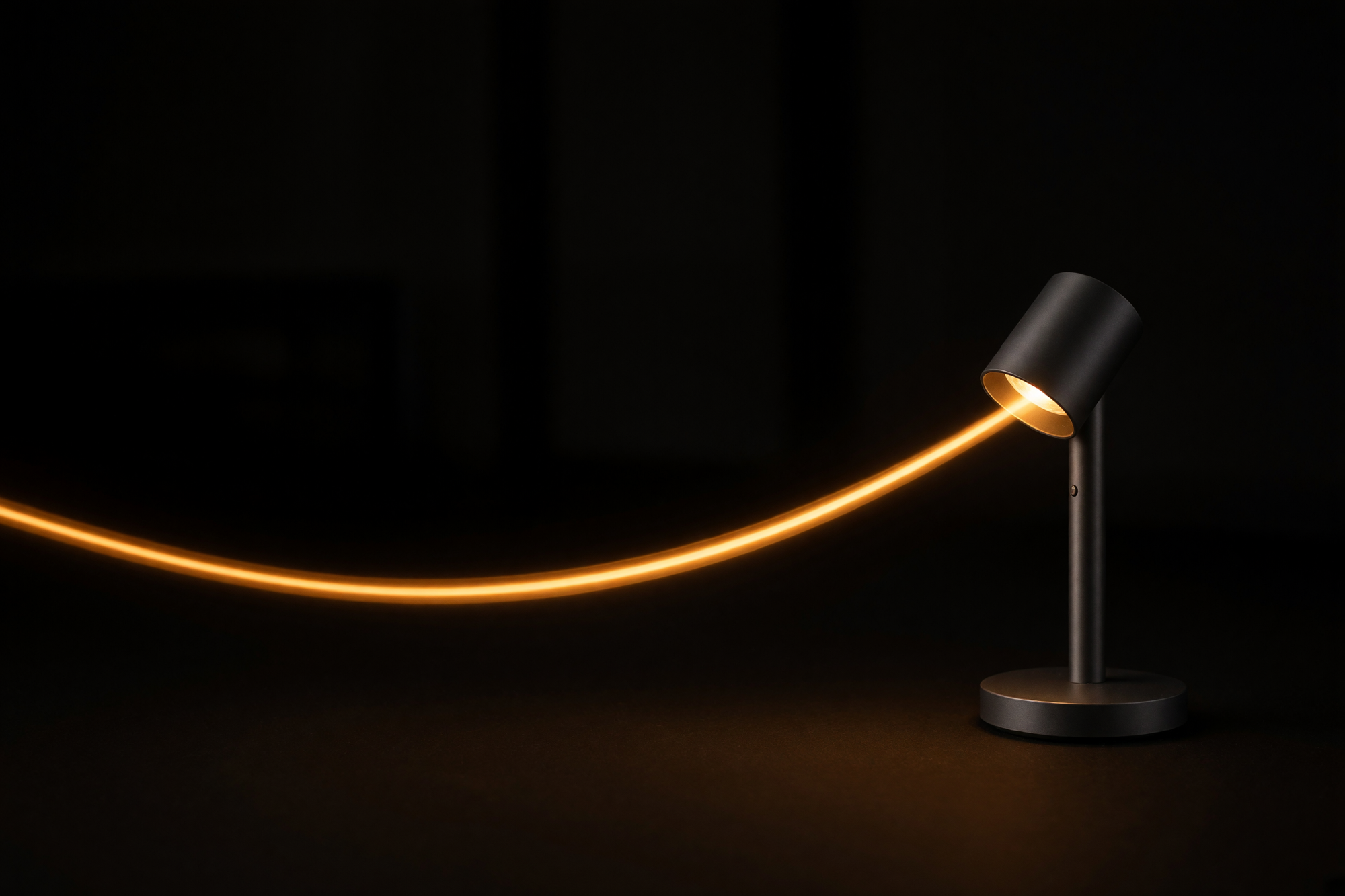
It does not switch
Most dimmers turn the light off and on very fast and call the average a level. A proportion of people can see it — not as flicker exactly, but as a faint unease they usually blame on being tired. This one lowers the current instead.
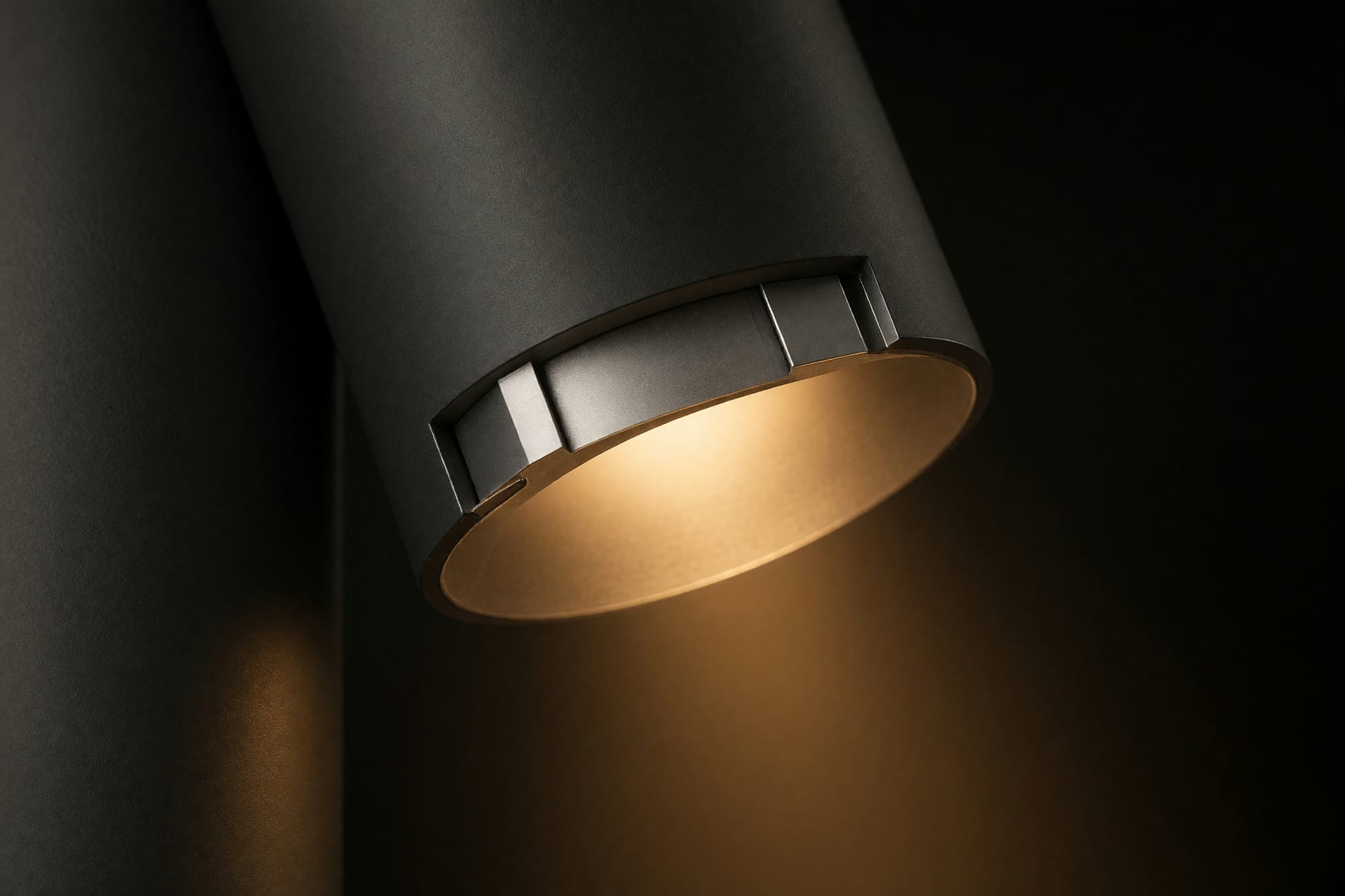
A baffle, not a shade
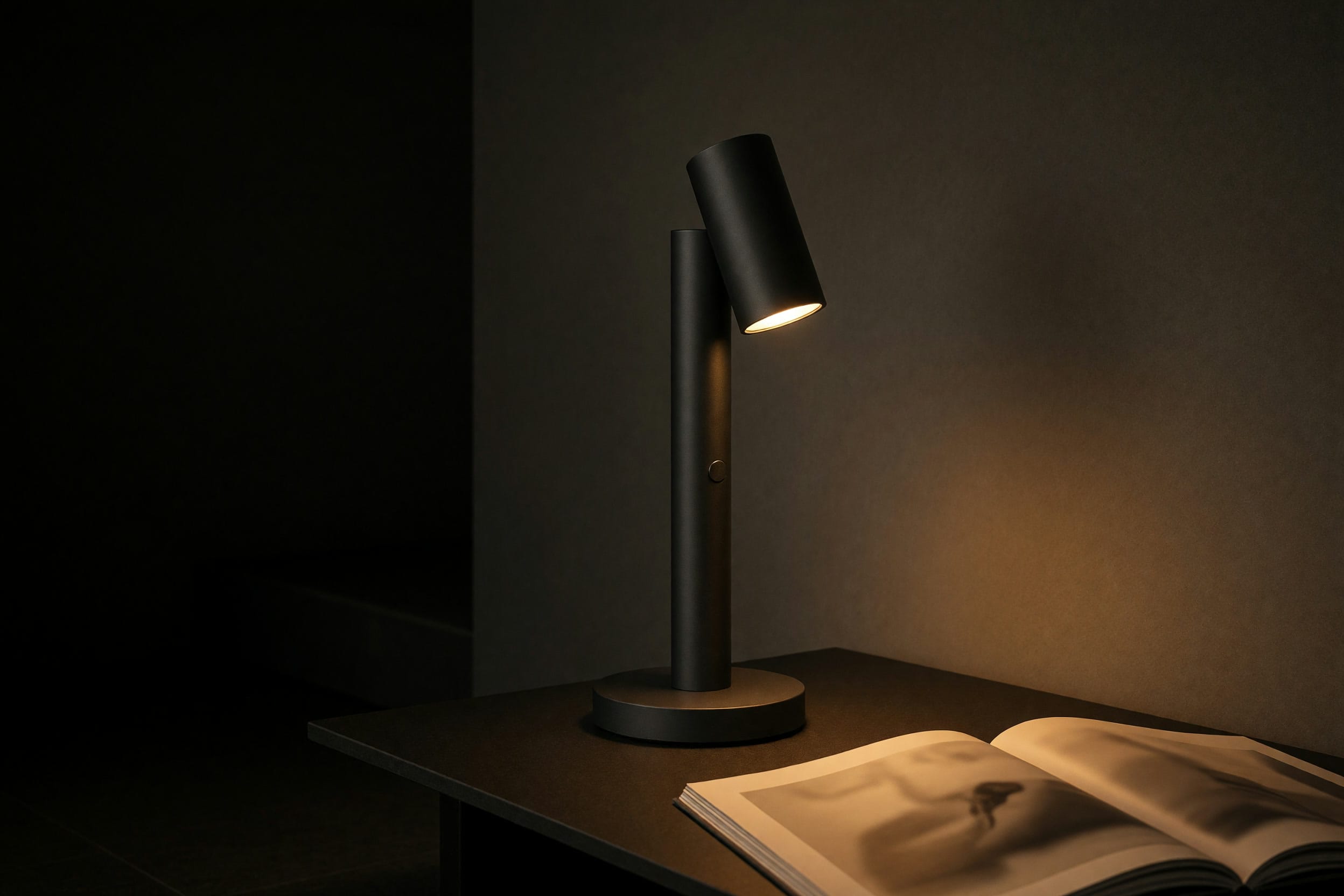
A plate inside the head stops the beam before it reaches the wall behind your desk. What you get is a pool of light with an edge on it, instead of a general warming of the room and a bright patch above the desk.
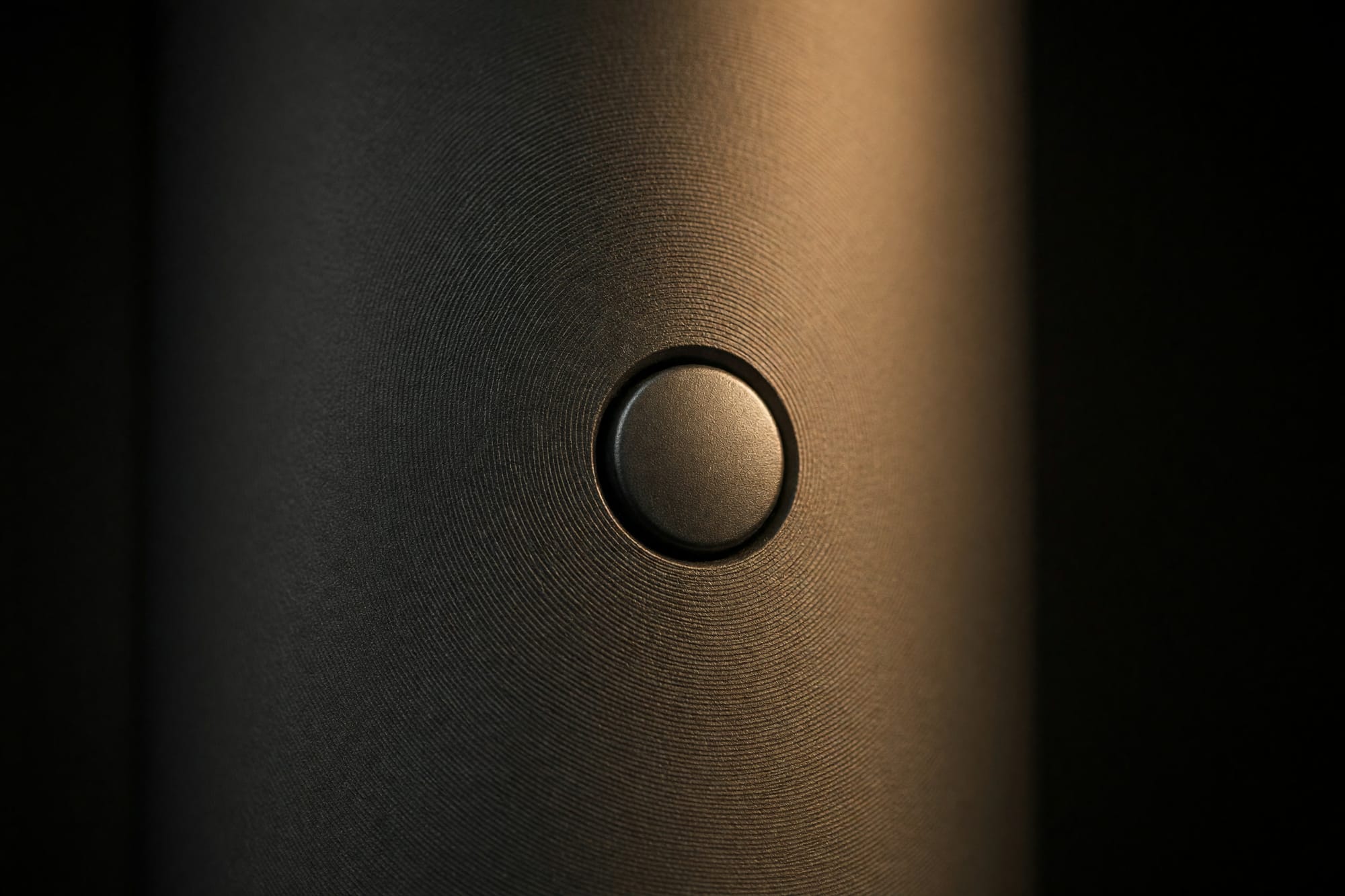
One button
Press to wake, hold to dim, let go. It remembers where you left it. There is no app and there is not going to be one.
Four hundred grams
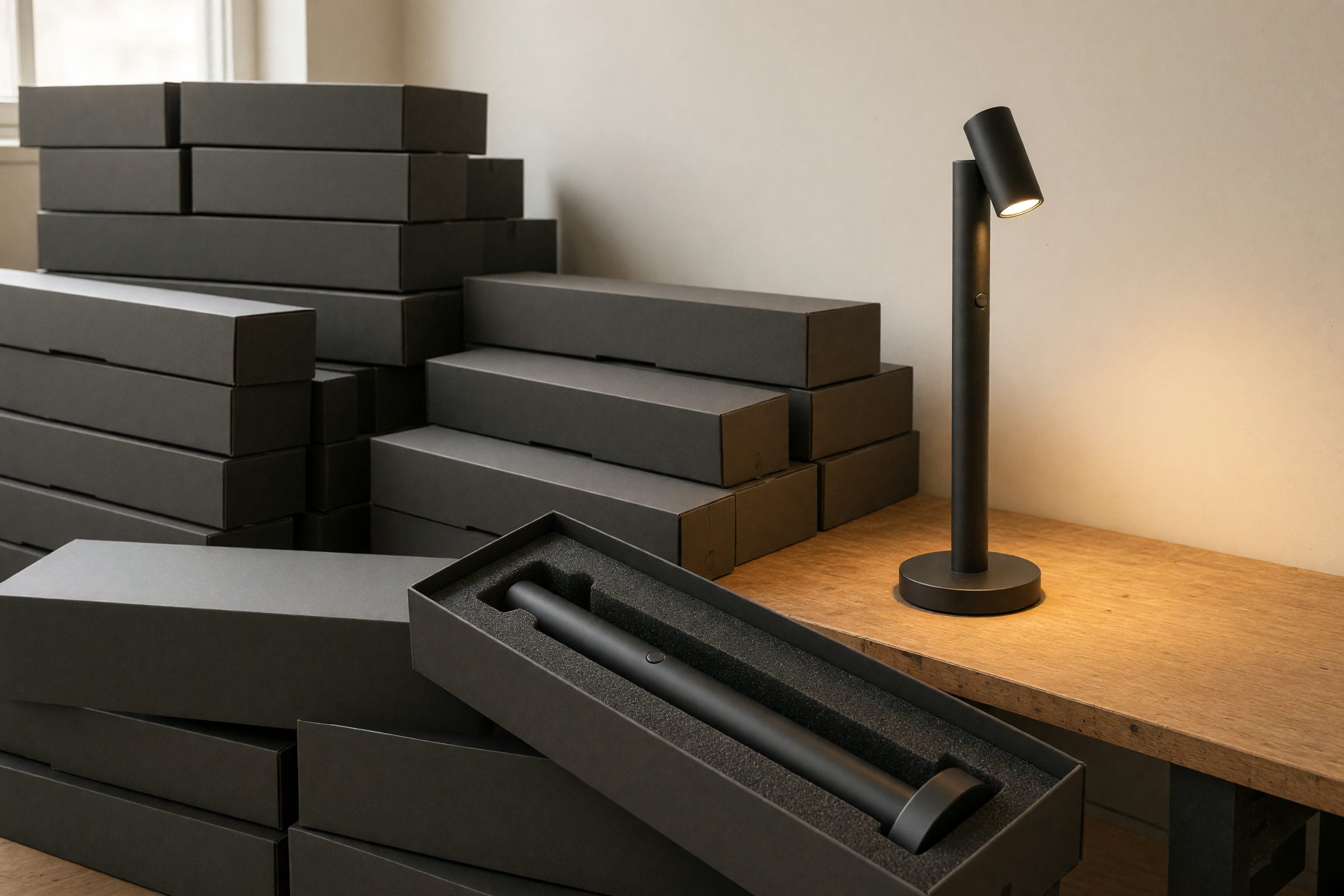
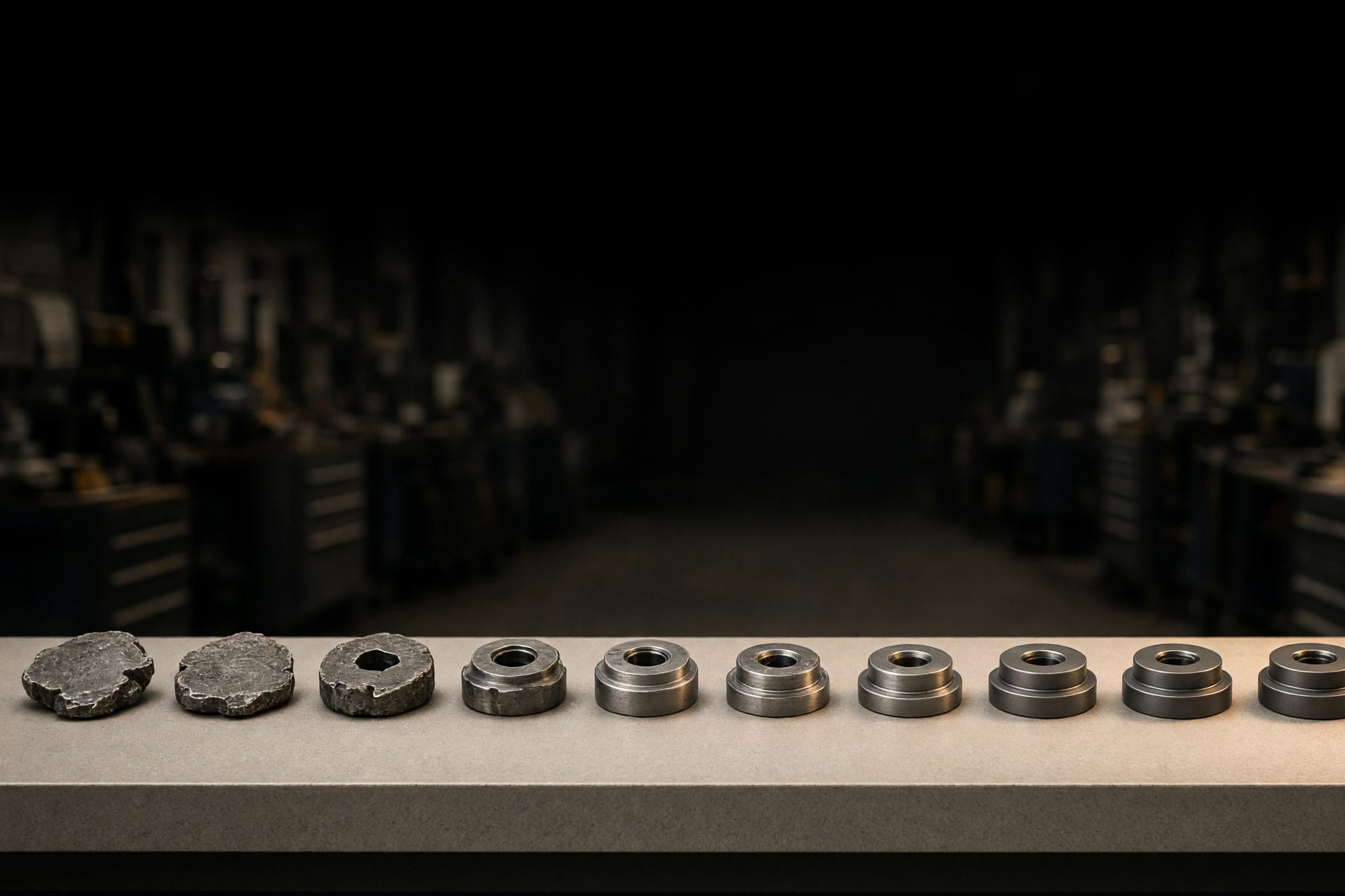
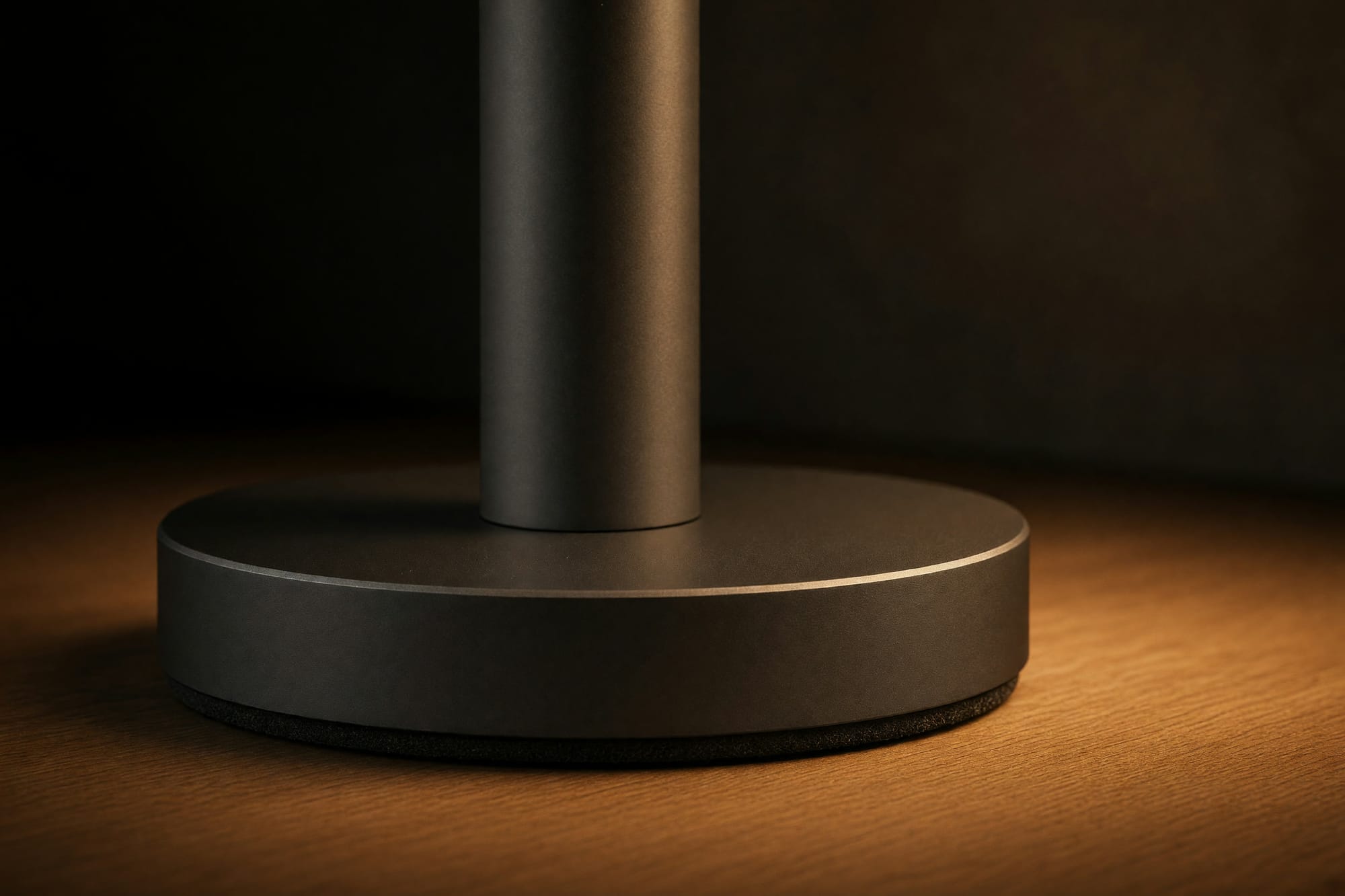
Enough that the head can be pushed and will stay where it is put. Machined aluminum, felt underside. It meets a desk without a sound.
Six numbers that matter
Most of a lamp's specification is noise. These change what a room feels like, and whether you can trust us with $445.

Where the light stops
The bottom of the dimming range, about the colour of a candle. Most lamps bottom out near 2,700 and stay faintly blue all the way down.

Colours stay true
Colour rendering, out of 100. Below about 90 reds hold but greens and blues go to mud, which is why cheap warm bulbs make a room look brown.

Nothing is switching
Most dimmers flick the light off and on faster than you can see and call the average a level. This one lowers the current instead, at every setting.

Warranty, in years
The whole lamp, not just the LED. The head detaches without tools, so a failure is a part we post to you rather than a lamp you post to us.

Days to change your mind
Opened, used, no reason required. Put it back in the box it came in. We pay return shipping inside the EU and split it outside.

People who make them
One room in Ghent. Heads are built and tested individually, which is slow, and the reason lead times move when a batch of emitters is out of tolerance.
What people say
Collected from customers who wrote in unprompted, which is the only kind of review we have.
From the workshop
Insights about light, optics, and the business of making lamps very slowly.